For 11 years, she woke me at 6. Then came the morning I couldn't ask.
My wife never complained about being my alarm clock, but one morning showed me what I had stopped noticing.
Wake up without waking her →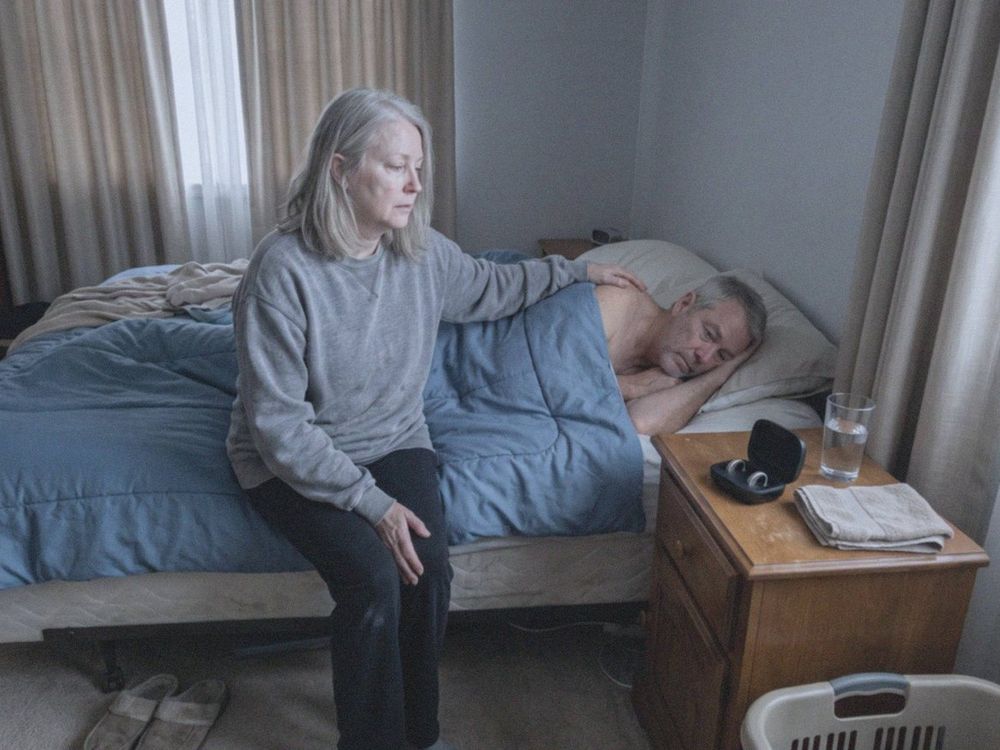
She was supposed to stay in bed
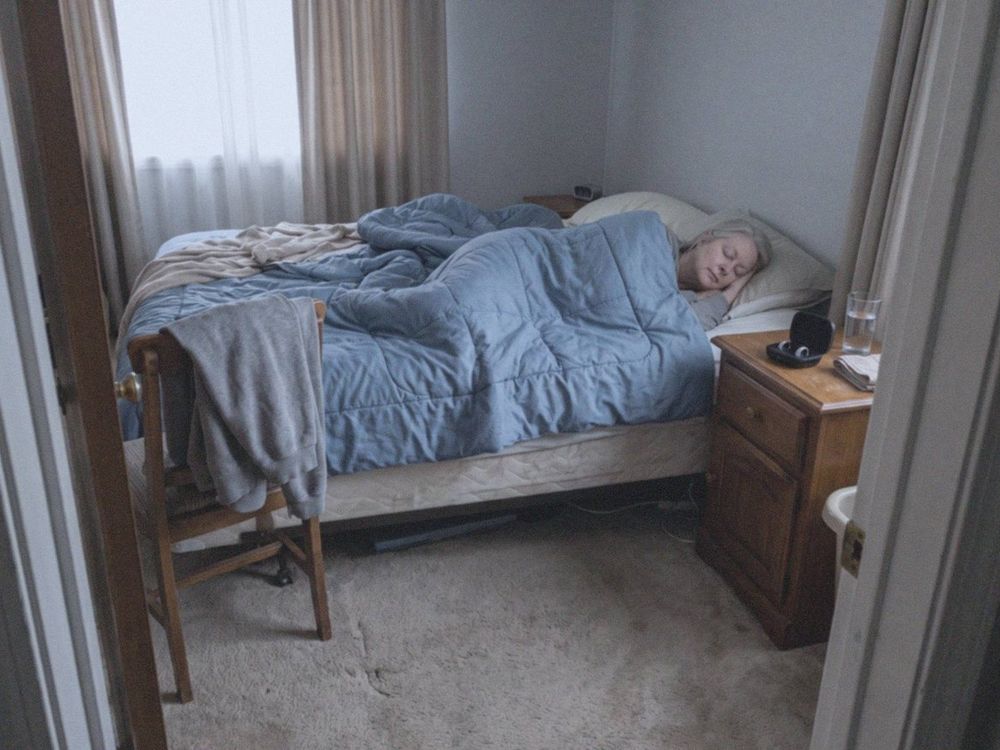
She had been sick all night. When I opened my eyes, she was sitting on the edge of the mattress, waiting until she was sure I was awake before she tried to stand up.
Her slippers were still on the floor on her side of the bed. She hadn't even put them on.
I reached for my hearing aids. She stayed there while I put them in, then told me it was six and I needed to get moving.
The night before, I had brought her water, put a clean towel beside the bed, and told her to sleep as long as she needed. I could take care of things in the morning.
Then I had taken my hearing aids out, put them in their case, and gone to sleep.
I hadn't worked out how I was going to wake up.
She had.
For 11 years, my wife had been my alarm clock. That morning, being sick hadn't gotten her the morning off.
She didn't complain. She went back around the bed and pulled the blanket over herself. I got dressed in the dark, trying not to disturb someone who had already gotten up for me.
I kept looking at those slippers.
Before I left, I put fresh water beside her and took the empty glass downstairs. I could do something useful now that I was awake. That was the part I couldn't get past: she'd had to get me started before I could take over.
The question I asked every night
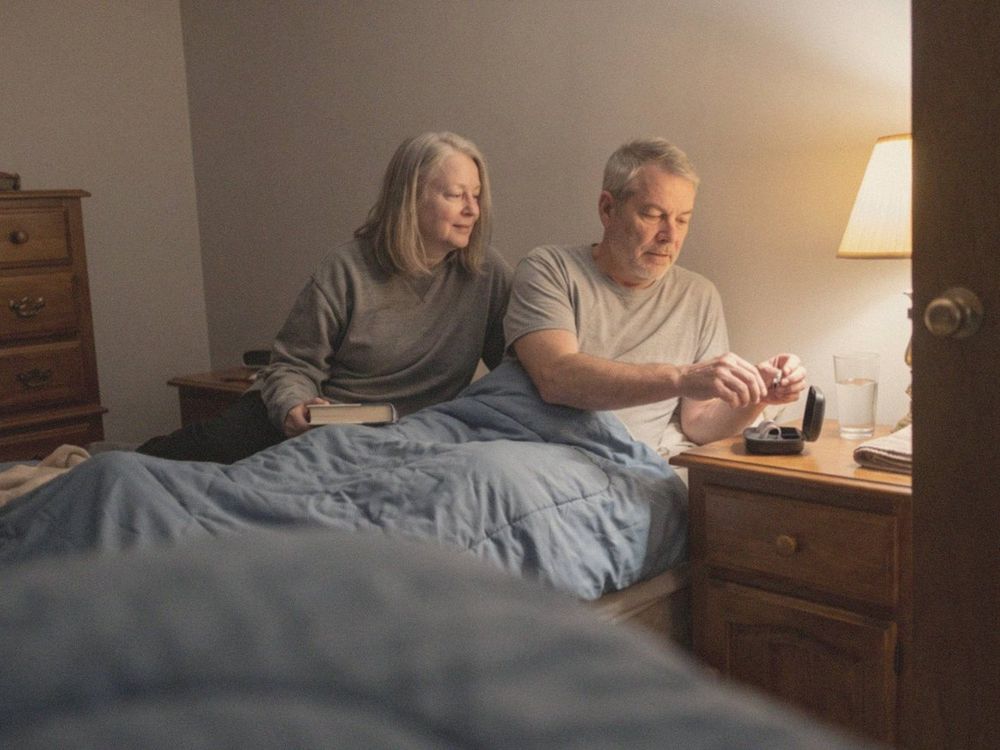
I'm hard of hearing. At night, my hearing aids go in their case on the nightstand. After that, my phone alarm might as well be off.
My wife can hear it. So she wakes me.
A hand on my shoulder at six. Sometimes another one when I settle back into the pillow before I'm properly awake. On mornings when she's already downstairs, she comes back up to do it.
We hadn't sat down and agreed that this would be her job for the next 11 years. It happened one morning, then the next. Eventually it was something we arranged our lives around.
The last question before bed was usually whether she could make sure I was up.
I could have asked it without looking at her. I knew the answer. That didn't make me like asking any better.
I'd spent the day doing ordinary grown-man things. Working. Running errands. Figuring out why the garage door wouldn't close. Then, with my hand on the lamp switch, I needed someone to promise I wouldn't sleep through tomorrow.
She always made room for that question. I wanted to stop having to ask it.
Even her mornings off had my alarm in them
It wasn't only the mornings when she felt awful.
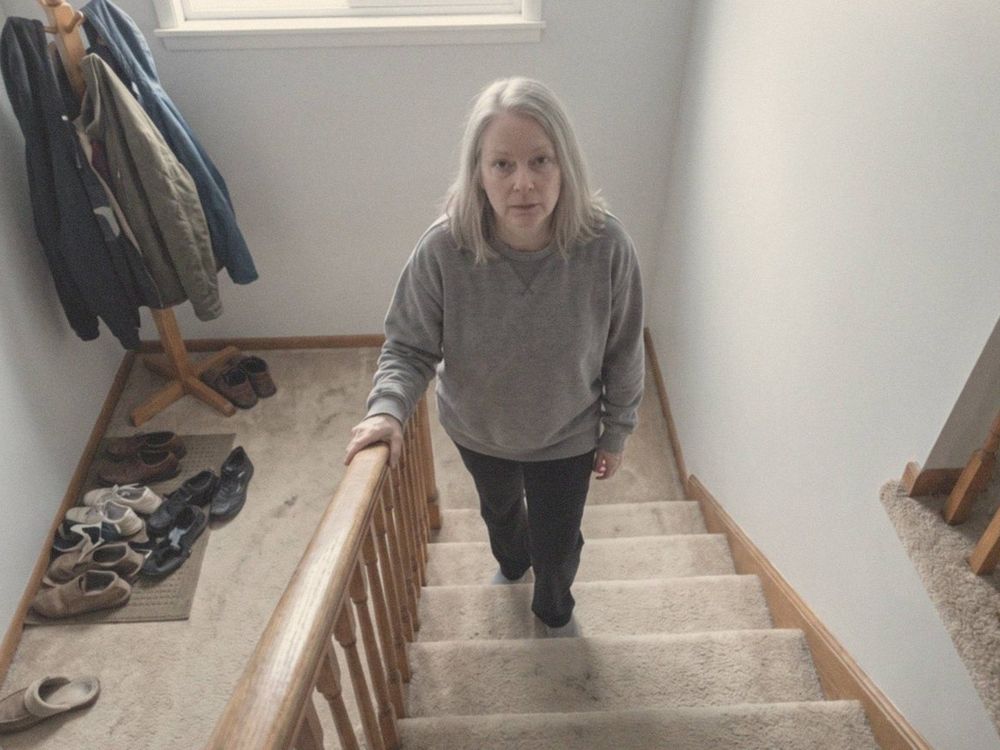
If she didn't need to be up until later, my alarm still started her day at six. If she got up before me, she had to remember to come back. A cup of coffee downstairs wasn't quite her own time until I was out of bed.
When she stayed overnight with our daughter, we had to think about my morning before we thought about what she should pack.
She never made me feel bad about it. Most of the guilt happened entirely on my side of the bed.
I'd apologize. She'd brush it off. Then we'd do the same thing the next day, because apologizing wasn't an alarm either.
After that sick morning, I started noticing how often I checked her plans against my wake-up time. I could take care of breakfast, groceries, a hundred other things. But the first thing I needed every day was still something she had to do.
I wanted to be the one getting out of bed so she could stay in it. I just didn't have a way to make that happen yet.
My nightstand became a pile of good ideas
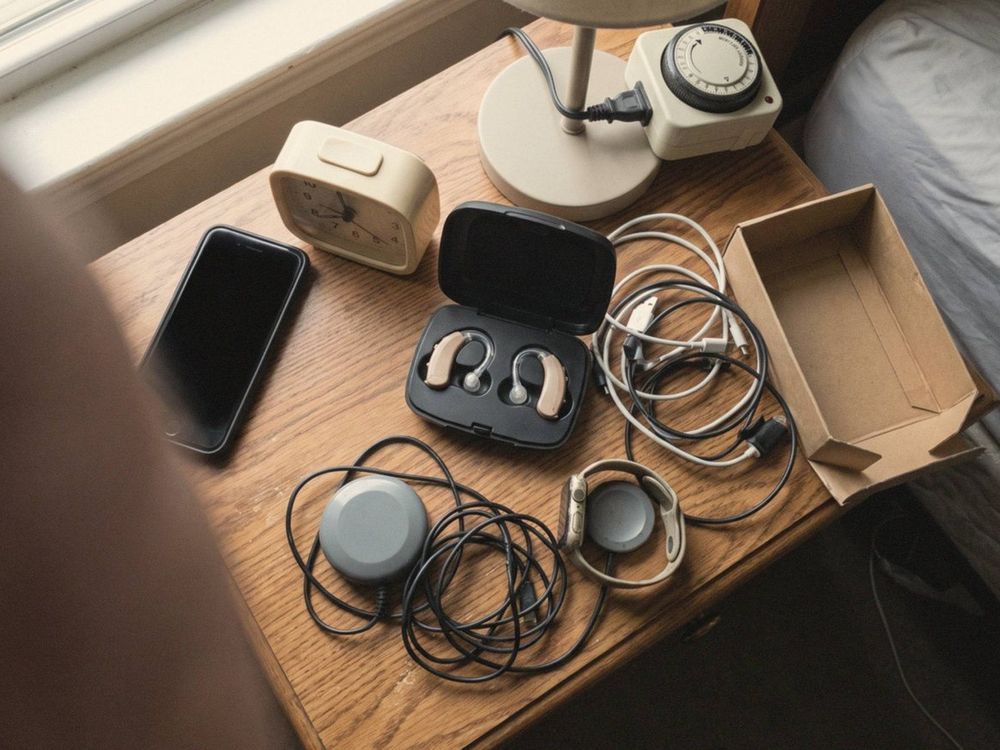
I'd tried turning the phone up. All that did was wake her sooner.
I added a second alarm clock, as if two things I couldn't hear clearly would somehow make one I could. She ended up reaching across me to shut it off.
A lamp on a timer seemed sensible. No hearing required. But light across the room didn't reliably get me out from under the covers. It did give her another reason to open her eyes.
We tried a bed shaker. In our bed, she felt it too. I wasn't trying to replace a sound that woke her with a different thing that also woke her.
Then there was the smartwatch. It could vibrate, which interested me. But mine spent the night on its charger after I'd worn it all day. Remembering to charge it earlier became another part of getting ready for bed. I kept putting it back on the charger out of habit.
None of this meant those things couldn't work for someone else. I was looking at what happened in our bedroom.
There were more cords, more settings, more things to remember. And at the end of it, I was still asking my wife to make sure I was awake.
I stopped putting the boxes away immediately. I'd leave one on the dresser until I knew whether this was the thing that would stay. Then I'd move it to the closet with the others and make room on the nightstand again.
The alarm kept reaching the wrong person
I kept treating it like a volume problem.
The phone wasn't loud enough. The clock wasn't close enough. Maybe I needed a different ringtone, or something that could make an even bigger racket.
But the alarm was already reaching somebody. My wife was awake. She was the one turning it off, sitting up, and putting her hand on my shoulder.
Alarms were made for people who hear them. With my hearing aids in the case, I was asking sound to do something it wasn't doing for me. Turning it up mostly made her part of the routine harder.
She had become the last step between the alarm and me.
That was what bothered me about the morning she was sick. Even after I'd told her to rest, our setup still required her to do that last step.
I didn't need the whole bedroom to get a louder message. I needed a wake-up signal I could feel myself.
A band I could wear to bed
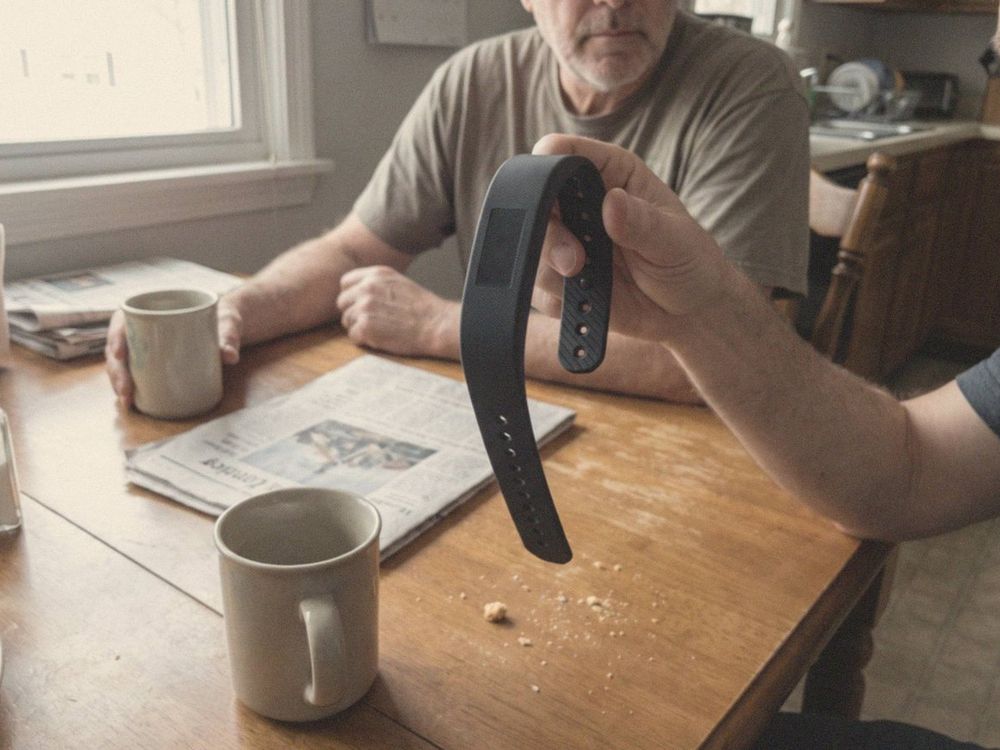
A friend showed me the Touchwake Band when I mentioned what had happened. A wrist alarm. Wear it to bed, and it vibrates against the wrist at the time it's set for.
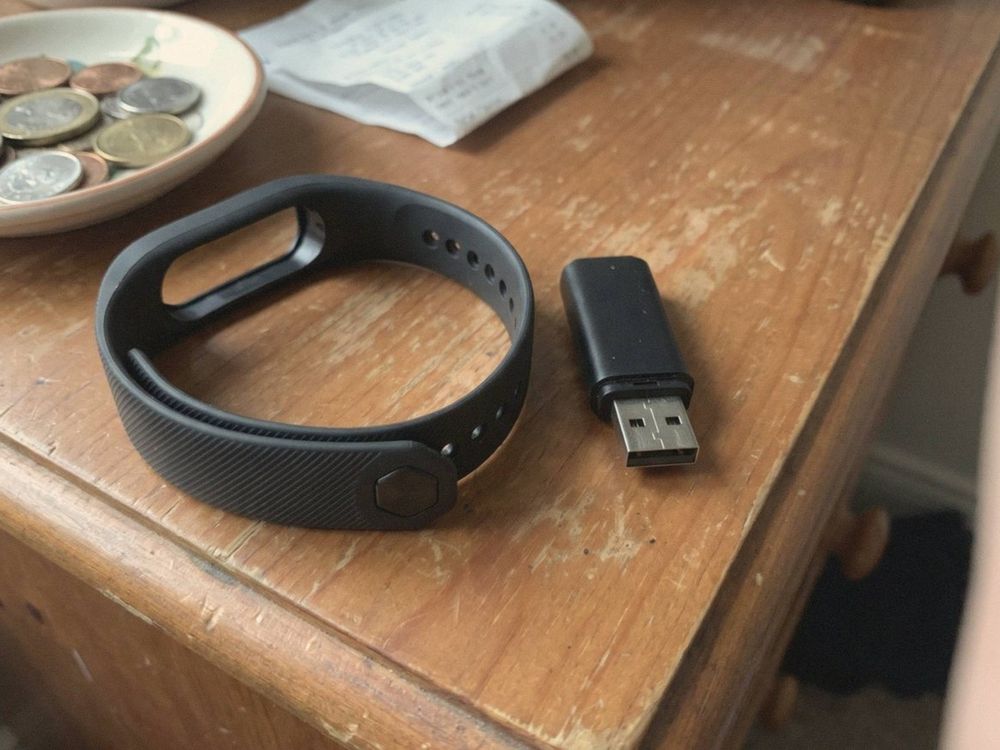
I turned it over in my hand. A slim black silicone strap and one button. After everything I'd already tried, it looked almost too simple.
I wanted to know where the phone came into it. It didn't. No app, no pairing, no phone needed to run the alarm. The time and alarm are set on the band with its one button.
I wanted to know about charging, too. The module pulls out of the strap and plugs into a USB-A port. It needs charging; I could do that while I was awake rather than automatically leaving my alarm on the nightstand at bedtime.
What stayed with me was where the wake-up signal went. Against my wrist. I could feel it without needing my wife to hear something first.
I ordered one. I still had doubts about whether I'd sleep comfortably wearing it, and whether the vibration would wake me. But this was the first thing I'd considered without trying to work out what my wife would have to do.
The first morning, I looked at her first
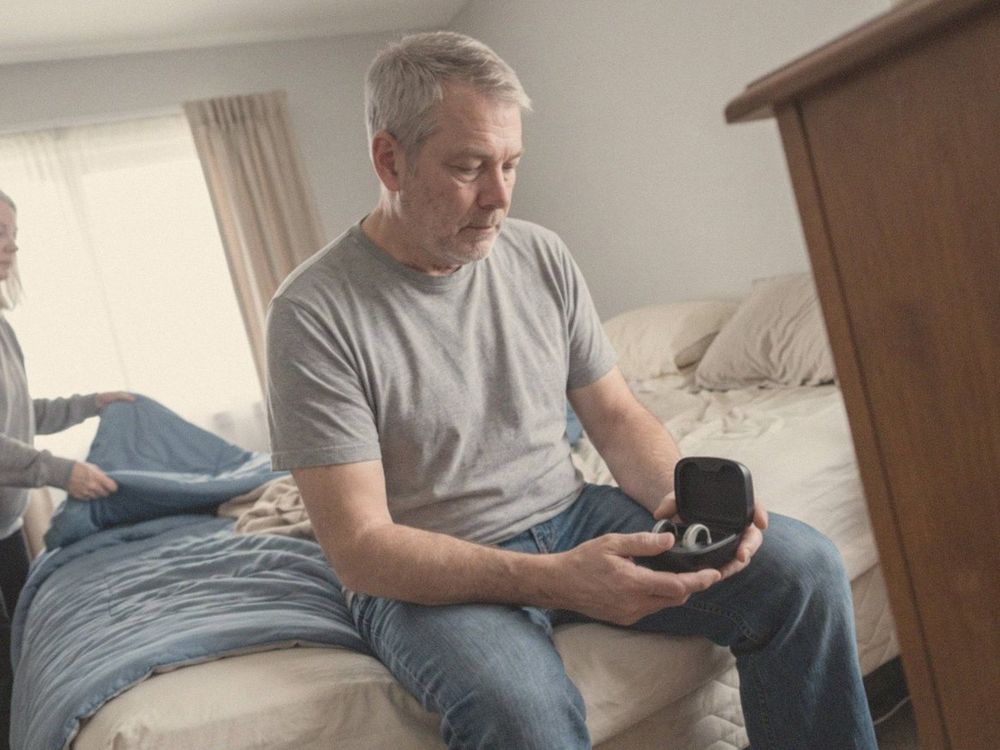
That first night, I checked the setup while I was sitting on the bed with my hearing aids in. I wanted to understand the button myself. Usually, a new alarm ended with me handing it to my wife so she could help figure out the part I couldn't hear. This one didn't need that handoff.
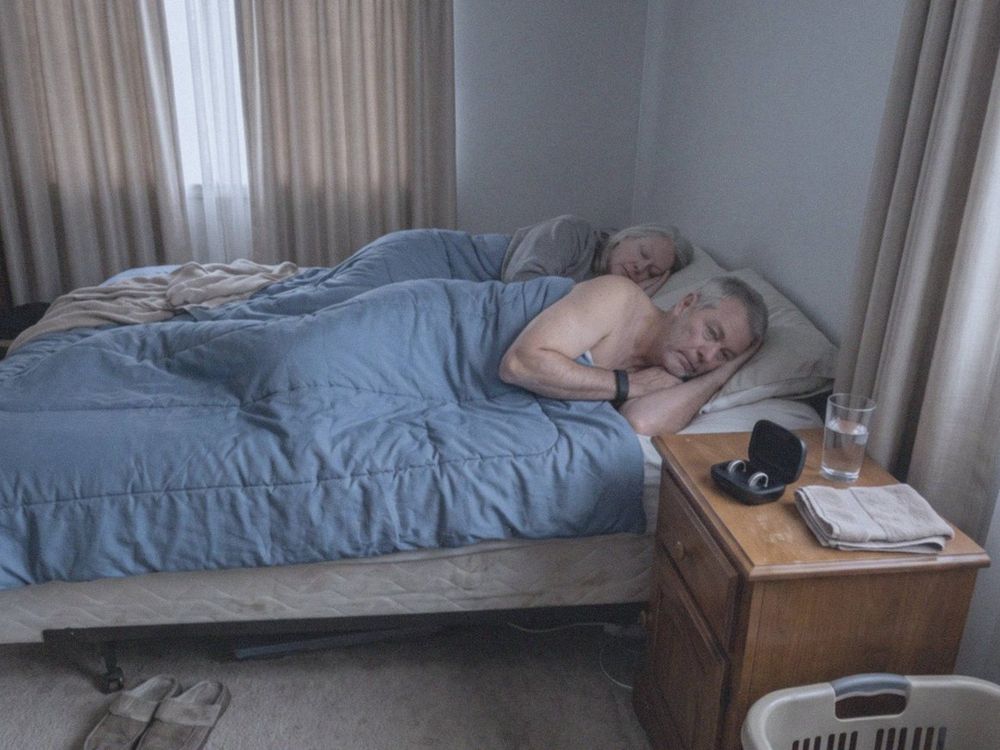
I set the alarm for six and put the band on my right wrist. My hearing aids went into their usual case. Nothing else about bedtime was different.
I was aware of the strap while I settled in. I'd spent enough nights with an empty wrist that wearing something felt new. I adjusted it, pulled the covers up, and went to sleep.
The next morning, I felt the vibration against my wrist and opened my eyes.
Before I sat up, I looked at my wife.
She was still asleep. Her hand was tucked under her cheek. She hadn't rolled toward me or reached across the bed.
For a moment, I stayed there looking at her, making sure I hadn't missed the usual shoulder tap. Then I reached for my hearing aids and got out of bed.
My feet were on the floor before she'd had to do anything.
I took my clothes into the other room to get dressed. Downstairs, I stood in the kitchen with that oddly pleased feeling of having done something difficult, even though all I'd done was wake up and walk down the stairs.
For once, she hadn't needed to come back for me.
She could finish sleeping
When she came downstairs, she looked toward the hallway first. She was checking whether she needed to go up and wake me.
Then she saw me at the table, already dressed.
I held up my wrist. She came over to look at it, then sat down instead of heading back upstairs.
There wasn't a big speech. We had breakfast. I asked how she'd slept. This time, my morning hadn't decided the end of her night.
The change took a little getting used to on both sides. At bedtime, I'd still start to ask her to make sure I was up. Then I'd look down at the band and finish setting my own alarm.
She still woke early when she wanted to. But she could go downstairs and stay there. On her later mornings, I could get dressed and leave her under the covers.
One evening she mentioned going to our daughter's again. We talked about what they'd have for dinner and whether she wanted the car. I didn't interrupt to ask about six the next morning. Afterward, I realized we'd finished the whole conversation without arranging my wake-up call.
I hadn't realized how much I wanted to give her that choice until I watched her use it.
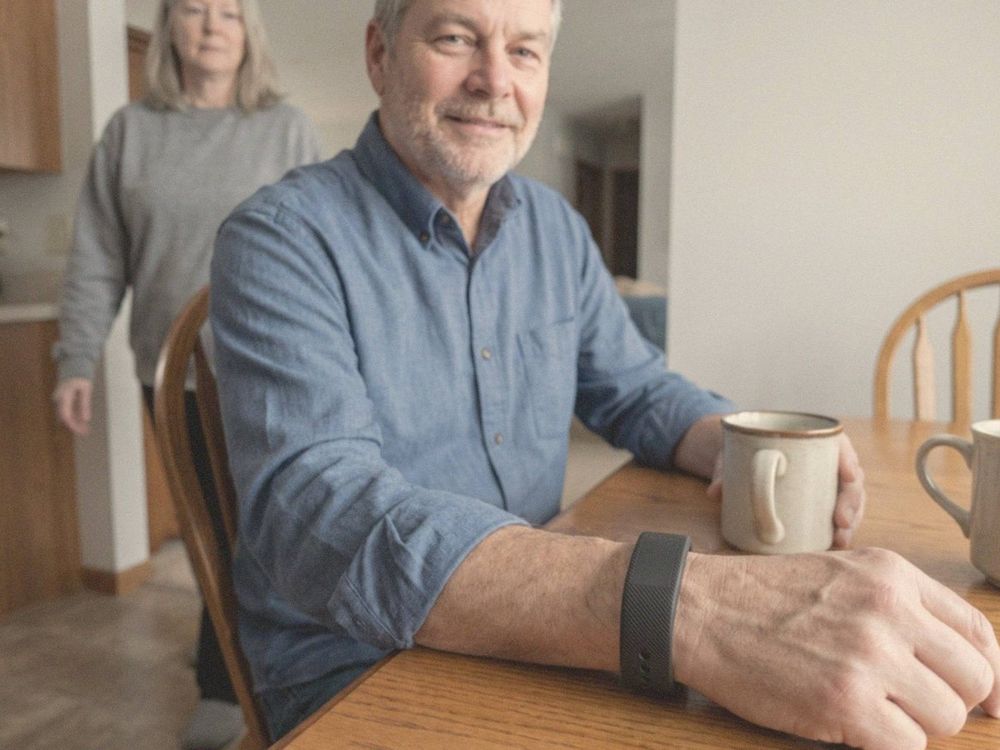
I still take my hearing aids out
The hearing aids still go in the case every night. I'm still hard of hearing. My wife is still the person I'd ask for help with anything.
I just don't have to arrange that help before I turn out the light.
The part I keep thinking about isn't even the moment I woke up. It's a morning when I set her mug on the table and realized I had no idea when she'd be down.
She didn't have anywhere to be early. She could sleep. I could get on with my day.
After 11 years of checking that someone else would get me up, I was downstairs waiting for her because I wanted to see her, with nothing I needed her to do first.
Your own alarm, on your wrist
The Touchwake Band is a wrist alarm for Deaf and hard-of-hearing sleepers, and anyone looking for an alarm they can feel. Set it with its one button, wear the soft silicone strap to bed, and let the wake-up signal reach your wrist.
No app to download. No phone to pair. The removable module plugs into a USB-A port to charge. The band fits wrists about 4.7 to 7.5 inches (12 to 19 cm) around.
It wakes you, or it's free. That's the 100-Night Wake-Up Guarantee.
If the band doesn't wake you, email support@touchwake.com with your order number within 100 nights of delivery for a full refund. Keep the band. There's nothing to send back. Can't sleep with it on? That counts too.
FREE Super-Saver US Shipping is included.
I wanted an alarm I could take care of myself, and a morning my wife didn't have to start for me. That's what this little band means to me.
Get your own morning back →- 100-Night Wake-Up Guarantee
- Order today, receive it in 7 to 14 days
- 1 size fits all (wrists 4.7 to 7.5 in)
Quick questions
What if it doesn't wake me?
That is what the 100-Night Wake-Up Guarantee is for. Email us within 100 nights of delivery for a full refund. Keep the band.
What if I can't sleep with it on?
It is a slim band on a soft silicone strap. If you can't sleep in it, it can't wake you, so that counts for the refund too.
Does it need my phone?
No. You set the time and the alarm on the band with its one button. No app, no pairing.
How long does shipping take?
It arrives in 7 to 14 days from your order. We email the tracking link. Running late? We email you, and you can cancel for a full refund.
Advertisement. A dramatized story, not a customer testimonial. Touchwake is a wake-up alarm, not a medical or safety device.